
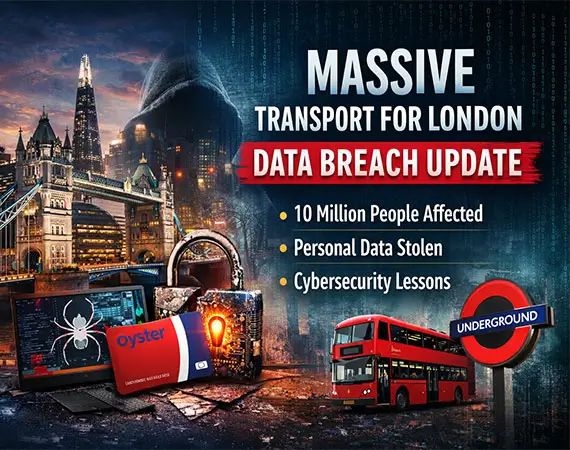
Massive Transport for London Data Breach Update: What the TfL Cyber Attack 2024 Means for Your Business
Cybersecurity incidents are no longer isolated IT problems—they are business crises. The Transport for London data breach is a prime example of how a single cyberattack can ripple across millions of lives and shake public trust.
What makes this incident particularly alarming is not just the breach itself, but the new updates revealing a far larger impact than initially reported. Early statements suggested that only a few thousand individuals were affected. Today, the numbers tell a very different story—up to 10 million people may have been impacted by the TfL cyber attack 2024.
For small and medium-sized businesses in Raleigh, Durham, Cary, and across North Carolina, this is more than international news—it’s a warning.
Let’s break down what happened, why it matters, and most importantly, what your business can learn from it.
What Happened in the TfL Data Breach 2024?
Understanding what happened in the TfL data breach 2024 requires looking at both the timeline and the nature of the attack.
📅 TfL Cyber Attack Timeline
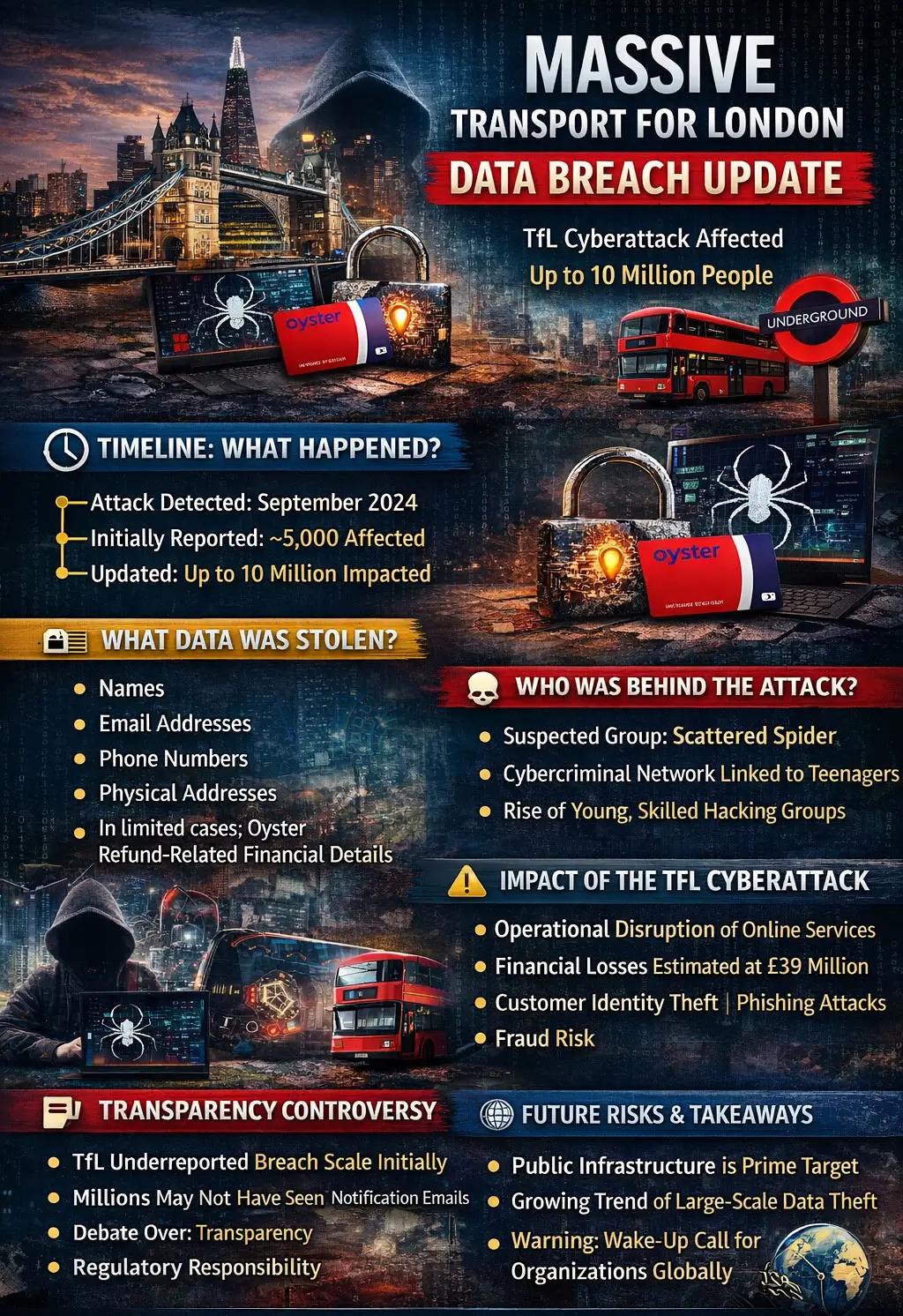
- September 2024: Suspicious activity detected within Transport for London systems
- Initial Response: TfL reports limited impact—around 5,000 users
- Subsequent Investigations: Scale begins to grow
- Latest TfL data breach update (2026): Up to 10 million individuals affected
This evolving narrative is critical. It highlights a common issue in cybersecurity incidents: organizations often underestimate the scope early on.
🔓 How the Attack Happened
The London transport hack was not a simple breach. It involved:
- Unauthorized access to internal systems
- Possible exploitation of legacy infrastructure
- Likely use of a third-party vulnerability
Think of it like leaving a side door unlocked in a high-security building—not because of negligence, but because it was overlooked.
Why the TfL Breach Is Bigger Than First Reported
One of the most important aspects of this TfL breach latest news is the dramatic shift in reported impact.
📊 The Numbers Tell the Story
- Initially reported: ~5,000 users
- Later disclosures: 7 million+ notified
- Current estimates: Up to 10 million people affected
This makes it one of the largest UK public transport cyber attacks in recent history.
🚨 Why This Matters
For businesses, the lesson is simple:
The first report is rarely the full story.
Cyber incidents unfold over time. Data analysis, forensic investigations, and regulatory reviews often reveal a much larger scope weeks—or even months—later.
What Data Was Stolen in the TfL Cyber Attack?
A key concern in any breach is what data was stolen.
📂 Types of Personal Data Stolen TfL
The compromised data reportedly includes:
- Names
- Email addresses
- Phone numbers
- Home addresses
- Limited financial data linked to Oyster card refunds
❗ Important Clarification
There is no evidence of widespread payment card theft, which reduces—but does not eliminate—risk.
🔐 Why This Data Still Matters
Even without credit card details, this type of data can be extremely valuable to attackers.
It enables:
- Phishing attacks
- Social engineering scams
- Identity theft risks
In cybersecurity, this is often referred to as “data enrichment”—where attackers combine small pieces of information to create a complete profile.
TfL Cyberattack Scattered Spider: Who Was Behind It?
The attack has been linked to a group known as Scattered Spider, a cybercriminal network gaining global attention.
👤 A New Kind of Threat Actor
Unlike traditional hacking groups, Scattered Spider is believed to include:
- Young individuals
- Highly skilled social engineers
- Decentralized, loosely organized members
Some suspects linked to the TfL cybersecurity incident were reportedly teenagers.
⚠️ Why This Is Concerning
This marks a shift in cybercrime:
- Lower barriers to entry
- Increased accessibility of hacking tools
- Greater reliance on human manipulation rather than technical exploits
In other words, your employees are now part of your security perimeter.
The Real Impact of the TfL Cyber Attack
The impact of TfL breach on customers and operations goes far beyond stolen data.
🔻 Operational Impact
- Disruption to online services
- Travel apps and real-time systems affected
- Internal workflows slowed or halted
For a transport network, this is equivalent to cutting off the nervous system of a city.
💰 Financial Impact
- Estimated losses: ~£39 million
This includes:
- Incident response costs
- System recovery
- Legal and compliance expenses
👥 Customer Impact
Affected individuals face:
- Identity theft risk
- Increased phishing attempts
- Fraudulent activity
For many, the consequences may unfold months or even years later.
The Controversy: Why Transparency Matters in Data Breaches
One of the most debated aspects of the Transport for London data breach update is how the incident was communicated.
🤐 Underreporting Concerns
- Initial reports significantly underestimated the impact
- Millions may not have seen notification emails
- Updates came gradually over time
⚖️ The Bigger Question
This raises important issues:
- Should organizations disclose worst-case scenarios early?
- Are current reporting standards sufficient?
- How transparent is “transparent enough”?
🧠 Why This Matters for Your Business
Transparency is not just ethical—it’s strategic.
A delayed or incomplete response can:
- Damage trust
- Increase regulatory scrutiny
- Prolong reputational harm
Regulatory Response: Are Current Laws Enough?
Despite the scale of the UK public transport cyber attack, regulatory action has been limited.
🏛️ ICO Response
- No major enforcement action reported
- Monitoring and oversight ongoing
❓ Key Questions Raised
- Are UK GDPR frameworks strong enough?
- Should breach notification timelines be stricter?
- How should organizations handle evolving incidents?
For U.S. businesses, this mirrors ongoing debates around data privacy laws and breach disclosure requirements.
Cybersecurity Lessons from the TfL Cyber Attack
For businesses in North Carolina—especially SMBs in Raleigh, Durham, and Cary—this is where the real value lies.
🔐 1. Legacy Systems Are a Liability
Outdated systems often lack modern security controls.
👉 If your infrastructure hasn’t been updated in years, it’s not just inefficient—it’s vulnerable.
🔗 2. Third-Party Vendors Are Your Weakest Link
The breach likely involved a third-party vulnerability.
👉 Your security is only as strong as your vendors.
🛡️ 3. Adopt Zero Trust Architecture
Trust nothing. Verify everything.
- Multi-factor authentication (MFA)
- Least-privilege access
- Continuous verification
🚨 4. Invest in Detection & Response
Early detection can mean the difference between:
- A minor incident
- A multi-million-dollar crisis
📢 5. Communicate Clearly During Incidents
Transparency builds trust—even in difficult situations.
🔄 6. Regular Security Audits & Patch Management
Cyber threats evolve daily. Your defenses should too.
How Computerbilities Helps
At Computerbilities, we help businesses across North Carolina:
- Implement advanced cybersecurity strategies
- Monitor threats 24/7
- Protect sensitive data
- Ensure compliance and resilience
Future Risks: Why This Is a Global Wake-Up Call
The TfL hack affected millions, but its implications are even broader.
🌍 Critical Infrastructure Is a Prime Target
Transportation systems, healthcare, and utilities are increasingly targeted.
📈 Growing Cyber Trends
- Large-scale data exfiltration
- Hacktivism
- AI-assisted cyberattacks
⚠️ The Bottom Line
If it can happen to a major public institution, it can happen to any business.
FAQs: Transport for London Data Breach
❓ How many people were affected by the TfL hack?
Up to 10 million people may have been impacted, making it one of the largest UK data breaches.
❓ What data was stolen in the TfL cyber attack?
Personal data such as names, emails, phone numbers, and addresses were compromised. Limited financial data related to Oyster refunds may also have been exposed.
❓ Who was behind the TfL cyber attack?
The attack has been linked to the Scattered Spider group, known for social engineering and targeting large organizations.
❓ Was payment card data stolen?
There is no evidence of widespread payment card theft, though risks still remain due to exposed personal data.
❓ What lessons can businesses learn from the TfL breach?
Key lessons include:
- Strengthening third-party security
- Avoiding legacy systems
- Implementing Zero Trust
- Improving incident response
❓ Why is the TfL data breach important for U.S. businesses?
Cyber threats are global. The same vulnerabilities exist in U.S. organizations, especially SMBs with limited cybersecurity resources.
Final Thoughts
The Transport for London data breach update is more than just another cybersecurity headline—it’s a case study in how modern cyberattacks unfold, escalate, and impact millions.
For businesses in Raleigh, Durham, Cary, and beyond, the message is clear:
👉 Cybersecurity is no longer optional—it’s foundational to business survival.
The organizations that act today will be the ones that remain resilient tomorrow.